



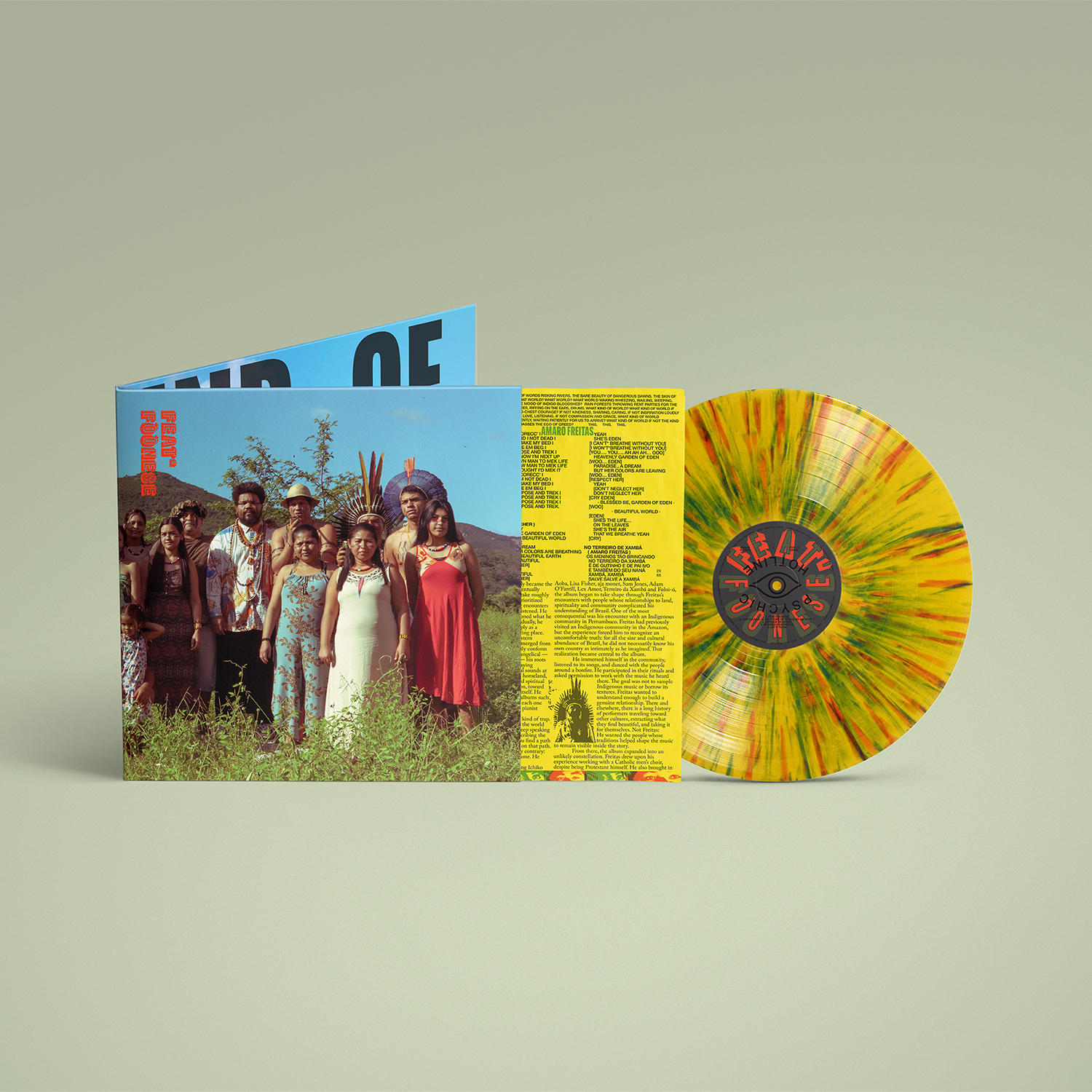
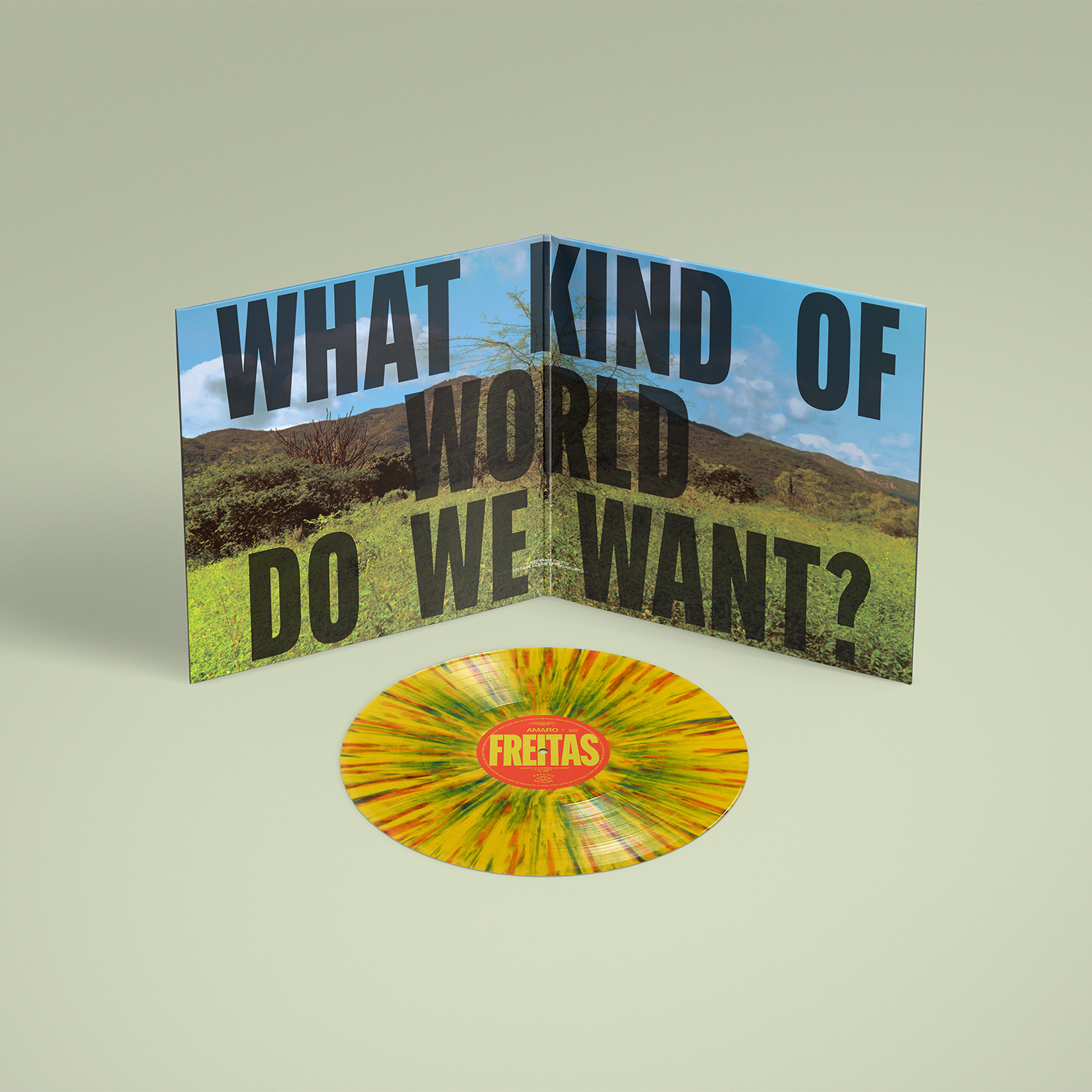

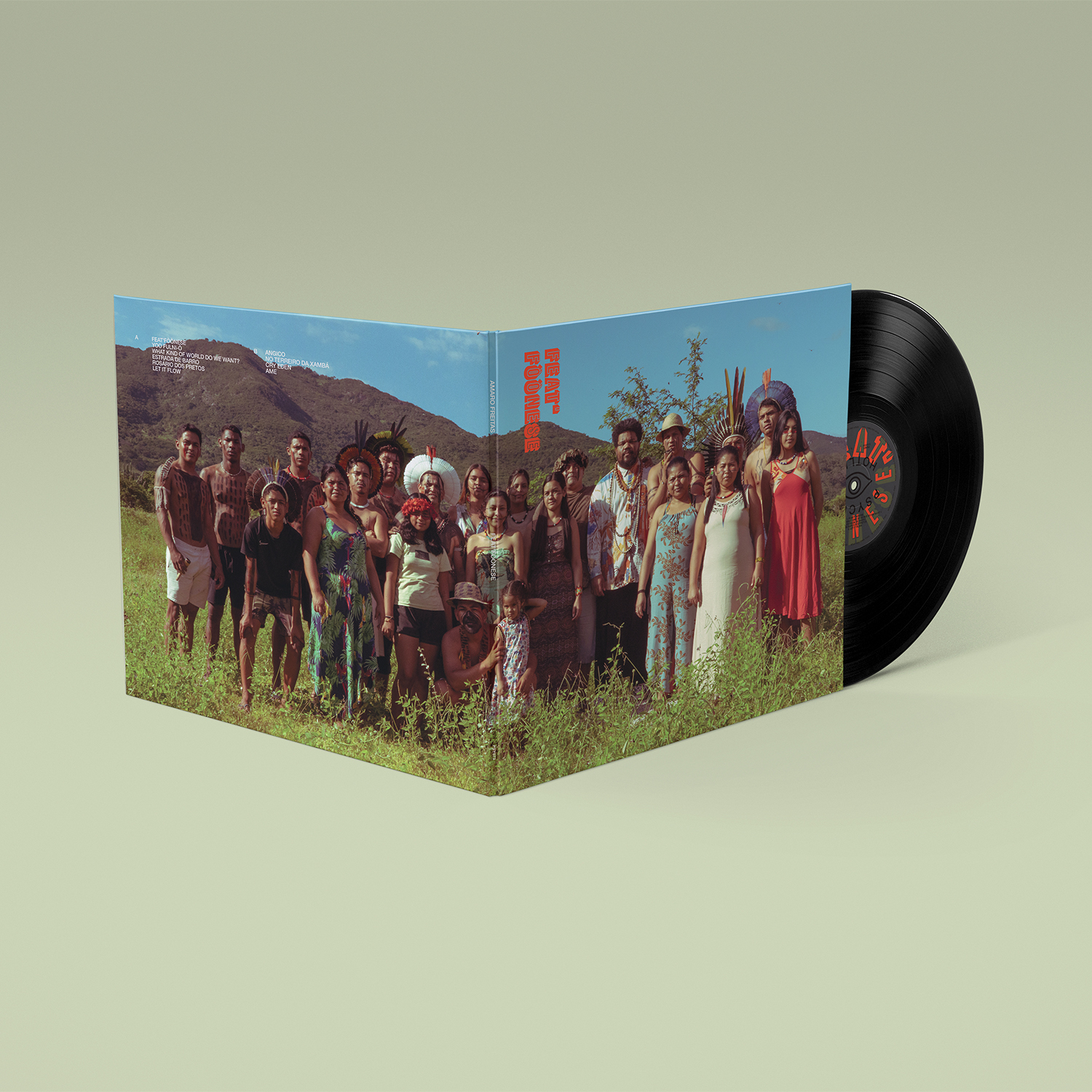
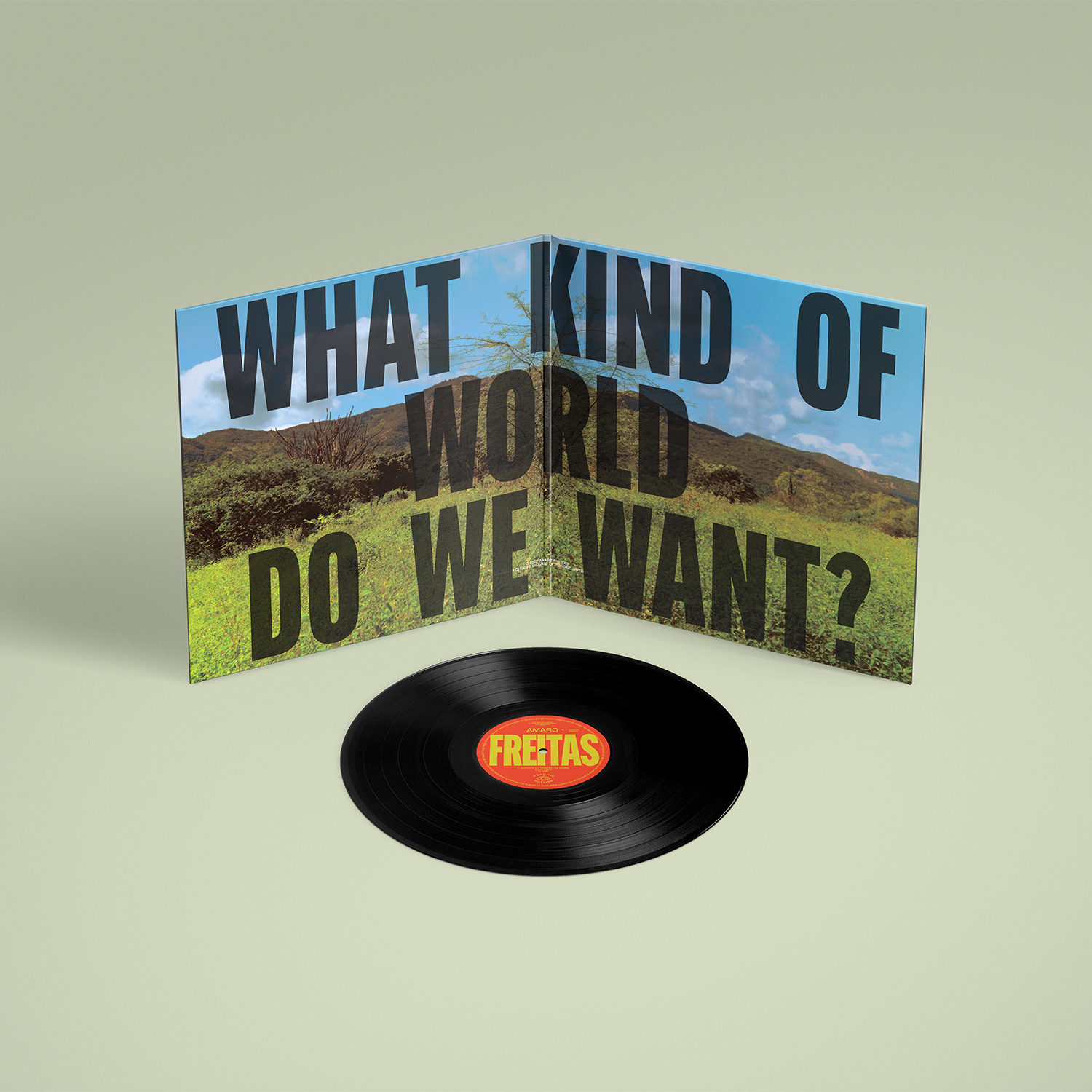
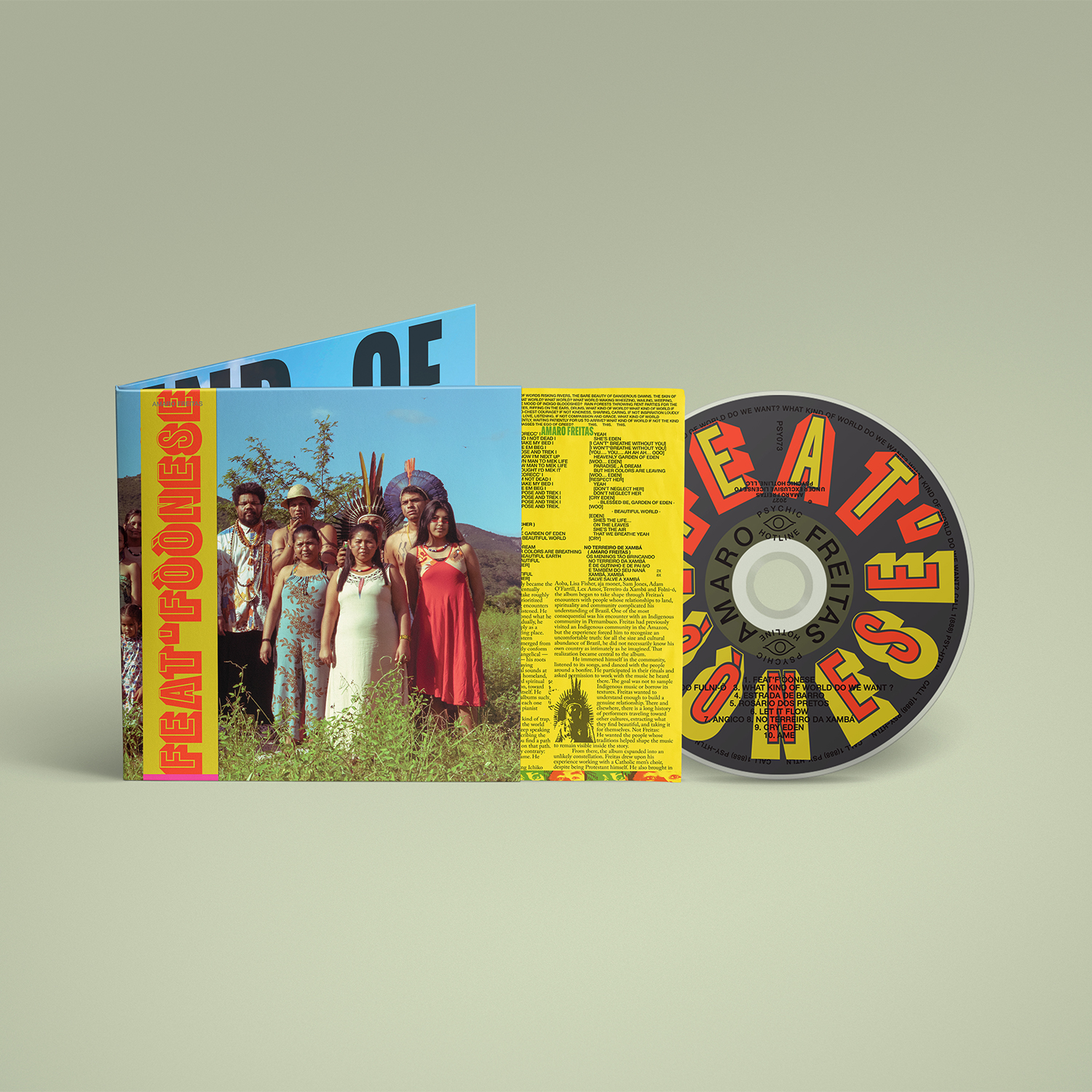
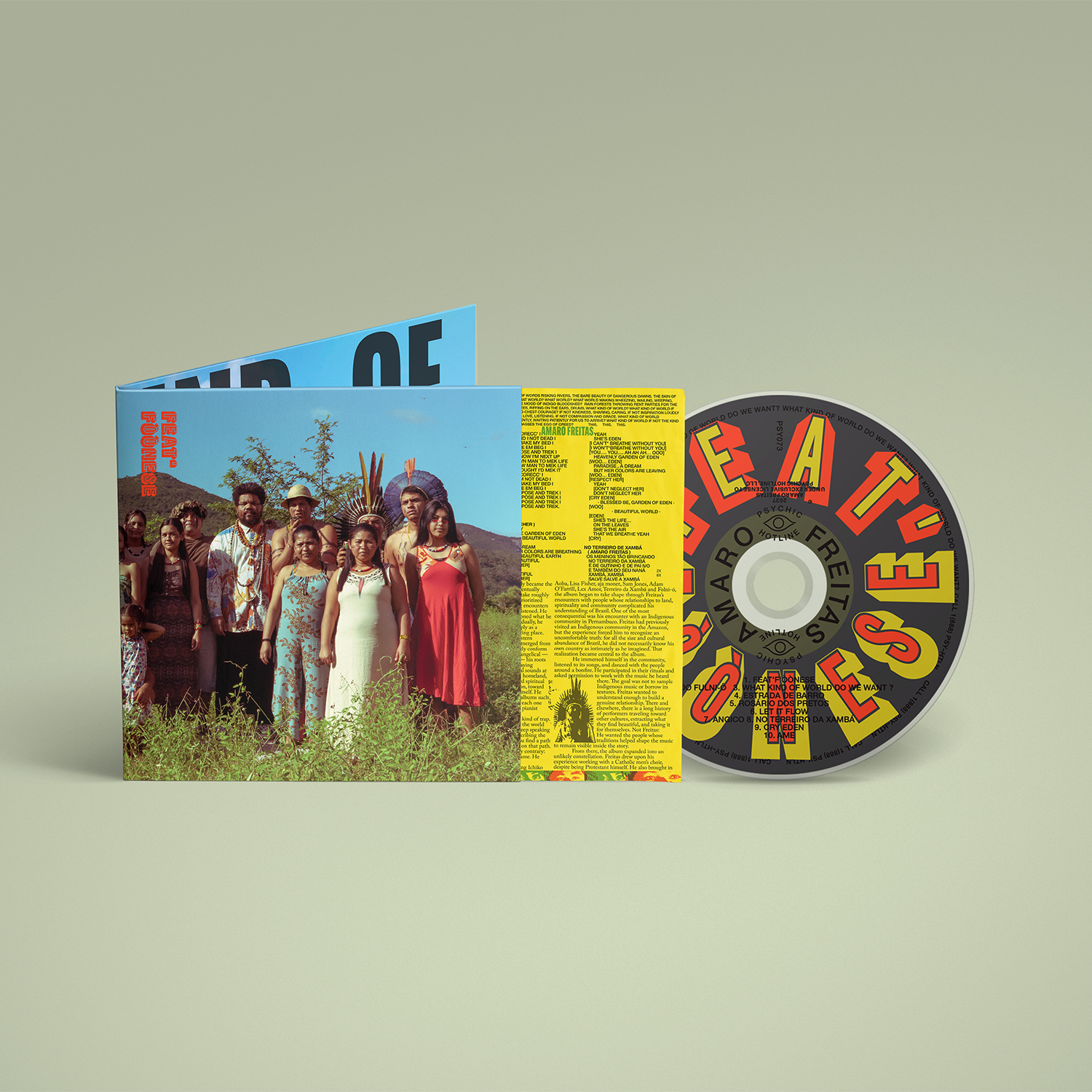

Other Editions
Liner Notes
There is a question that has been haunting Amaro Freitas for the last several years: What kind of reward do we want? It is a deceptively simple question, the sort that can sit quietly in the back of your mind before suddenly rearranging the furniture. For Freitas, a Brazilian pianist whose music has long treated jazz as something fluid, the question became the starting point for Feat’Fòònese, an album born from a need to search for something else.
The query came to him after watching a film about Francesca Cabrini, the Italian-born Catholic missionary who traveled to New York to care for Italian immigrants and eventually devoted herself to improving the lives of marginalized people. Freitas was struck by Cabrini’s insistence that the world should belong to everyone. Her work made him think about the divisions between colonizer and colonized, between those considered first-class and those relegated to second-class status, between people who are allowed to occupy certain spaces and those who are told, explicitly or otherwise, that they do not belong there.
Then came the piano.
After watching the film, Freitas began singing a melody to himself. That melody became the first musical fragment of what would eventually become Feat’Fòònese. The record would take roughly four years to develop, but its gestation prioritized moving through the world and allowing encounters to alter the sound. Freitas traveled and listened. He met artists and communities. He questioned what he thought he knew about Brazil. And, gradually, he began to understand the album not simply as a collection of compositions but as a meeting place.
Raised in Recife, in the northeastern Brazilian state of Pernambuco, Freitas emerged from a musical environment that did not neatly conform to the conventions of jazz. A former Evangelical — though he’s no longer a practicing one — his roots derive from that background, and his playing suggests an ear that is listening to several sounds at once: toward the rhythmic dialect of his homeland, toward Black Brazilian traditions, toward spiritual jazz, toward the freedom of improvisation, toward the percussive possibilities of the piano itself. He became internationally known through albums such as Sangue Negro, Rasif, Sankofa and Y’Y, each one expanding the sense of what a Brazilian pianist working within jazz might sound like.
But success can become its own kind of trap. Once an artist discovers a language that the world understands, there is often pressure to keep speaking it. Freitas understands that pressure, describing the music business as a place where, once you find a path toward success, you are expected to stay on that path. His response has been almost stubbornly contrary: he does not want to make more of the same. He wants to find another road.
Feat’Fòònese is that road. Featuring Ichiko Aoba, Lisa Fisher, aja monet, Sam Jones, Adam O’Farrill, Lex Amor, Terreiro da Xambá and Folni-ó, the album began to take shape through Freitas’s encounters with people whose relationships to land, spirituality and community complicated his understanding of Brazil. One of the most consequential was his encounter with an Indigenous community in Pernambuco. Freitas had previously visited an Indigenous community in the Amazon, but the experience forced him to recognize an uncomfortable truth: for all the size and cultural abundance of Brazil, he did not necessarily know his own country as intimately as he imagined. That realization became central to the album.
He immersed himself in the community, listened to its songs, and danced with the people around a bonfire. He participated in their rituals and asked permission to work with the music he heard there. The goal was not to sample Indigenous music or borrow its textures. Freitas wanted to understand enough to build a genuine relationship. There and elsewhere, there is a long history of performers traveling toward other cultures, extracting what they find beautiful, and taking it for themselves. Not Freitas: He wanted the people whose traditions helped shape the music to remain visible inside the story.
From there, the album expanded into an unlikely constellation. Freitas drew upon his experience working with a Catholic men’s choir, despite being Protestant himself. He also brought in musicians connected to Afro-Brazilian religious traditions. Indigenous music, Catholic choral traditions and Afro-Brazilian spiritual sound — three worlds that do not necessarily occupy the same room — were funneled into the same conversation.
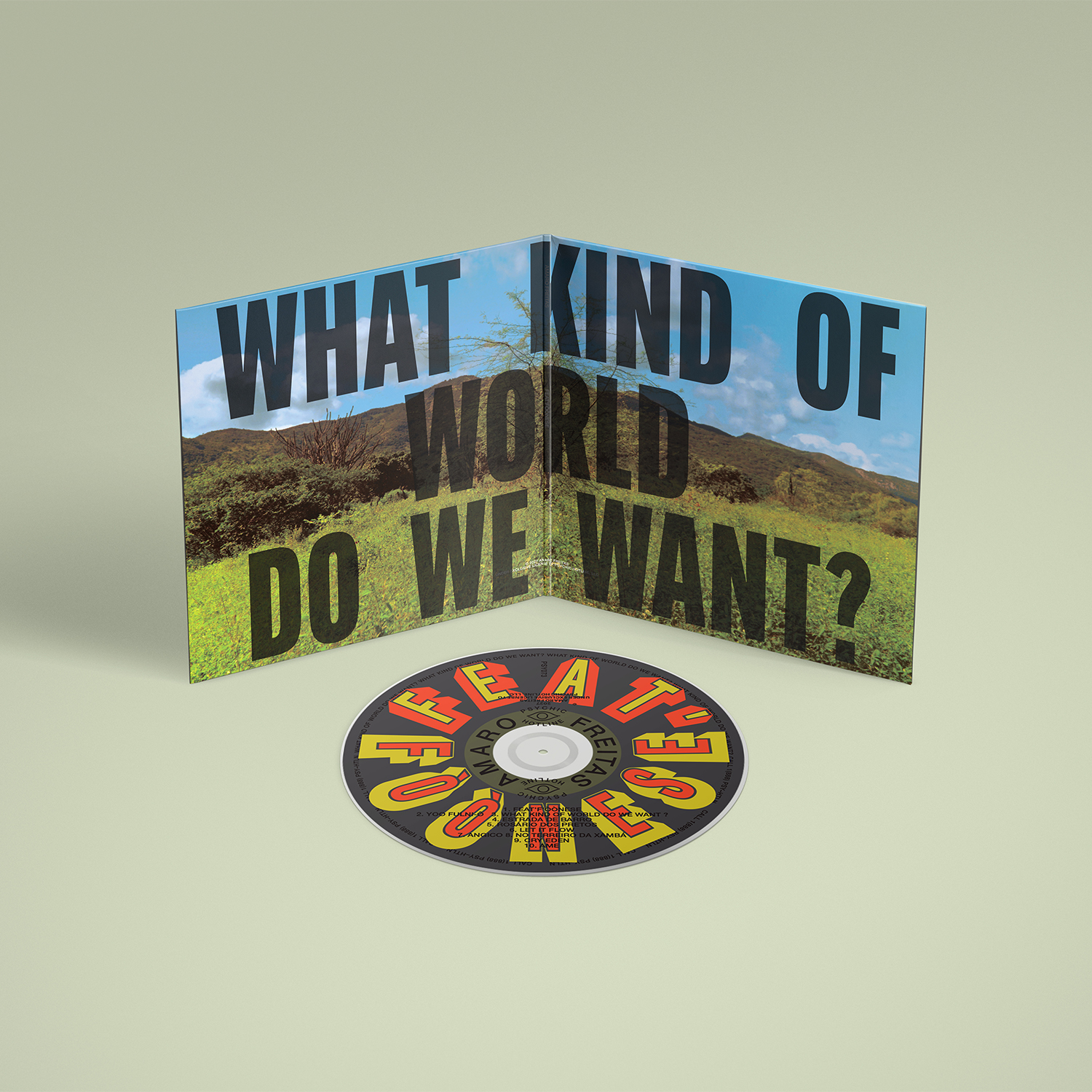
The first four pieces of Feat’Fòònese — a suite titled “What Kind of World Do We Want?” — carry the album’s central conceptual weight. They are the connective tissue of the project, the place where he could move deeply into the cultural elements he had encountered and begin translating those experiences into sound. The arrangements therefore feel less like a conventional fusion of styles than a conversation between histories.
There is also a political dimension to the way Freitas thinks about Brazilian music. He points to samba, created within poor Black communities in Rio de Janeiro, and the way its descendants became absorbed into the story of bossa nova. In the popular international narrative, the figures who later developed and commercialized bossa nova often receive greater acknowledgment than the Black communities whose music made that evolution possible.
This is where Freitas’s piano takes on a different meaning. He has always approached the instrument as a percussive object, but here the piano becomes something closer to a bridge. Its notes have to coexist with voices, drums, Indigenous musical traditions and spiritual practices, a process that was undoubtedly difficult and rooted in uncertainty.
For this project, Freitas is building a new quintet of Brazilian musicians, a departure from the smaller configurations and solo performances that have characterized portions of his career. He envisions the quintet working alongside Indigenous performers and orchestral forces, creating a larger musical architecture capable of carrying the album’s ideas into performance.
The scale of the project mirrors the scale of his thinking. Freitas has resisted the temptation to simply become a more polished version of the artist the international jazz audience already knows. Not to be confined to the category of “Brazilian jazz,” particularly when that phrase can summon a narrow history, Freitas unites modern Afro-jazz and other sounds connected to Black Brazilian history and to the contemporary global improvisational scene. On Feat’Fòònese, Freitas is not abandoning Brazil in order to become international. Rather, he is going deeper into Brazil to reveal the parts that have not always been given the platform they deserve.
Feat’Fòònese is an attempt to make some of those connections audible. And perhaps that brings us back to the question that started everything: What kind of reward do we want?
Freitas could have chosen the reward of repetition — the comfort of giving an audience another version of something it already understands. Instead, he chose community, and to walk into unfamiliar spaces and listen before playing. He chose to make an album that asks its audience to reconsider the borders between musical traditions, people, territories, and even between the past and present. He wants listeners to imagine the world he imagines: a place where difference is not something to eliminate, but something to encounter, understand and celebrate.
The beauty of Feat’Fòònese may be that its deepest subject is not jazz, Brazil or even music. It is belonging, what it might sound like if the world were treated as a shared house. One can hear an artist refusing to stand pat. After finding his way, Amaro Freitas has decided to get lost again. That may be the point.
-by Marcus J. Moore
You May Also Enjoy


Amaro Freitas
Y’Y


Ichiko Aoba
Luminescent Creatures


Tim Bernardes
Mil Coisas Invisíveis

